
A major project is underway to safeguard the planting material that underpins the Western Australian grape and wine sector — the state’s germplasm collection.
The collection preserves the genetic diversity of the state’s grapevine plantings and contains 162 winegrape and rootstock varieties/clones, with 480 vines in total planted at the site .
Currently held at the Manjimup Horticultural Research Institute of the Department of Primary Industries and Regional Development (DPIRD), the collection has been quarantined since the detection in 2022 of Diaporthe ampelina (Phomopsis cane and leaf spot), a declared pest in WA.
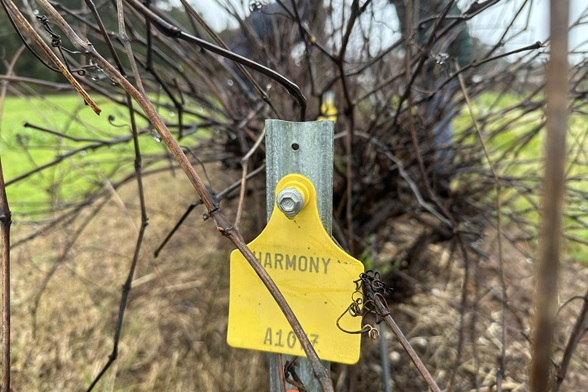
To ensure the state’s grape and wine sector continues to have access to high-health, verified grapevine material, DPIRD, Wines of WA, the WA Vine Improvement Association (WAVIA) and Wine Australia are working together to relocate 141 priority varieties and clones from the collection to the University of Western Australia’s Shenton Park facility in Perth.
The move will establish a clean, ‘true-to-type’ collection aligned with the Wine Australia-funded National Grapevine Collection (NGC) program which is addressing critical challenges around the management of the nation’s genetic resources, the quality of grapevine propagation material and biosecurity. An ultimate goal of the NGC program is to have key varieties, clones and rootstocks duplicated across multiple sites to manage pathogen and environmental risks.
The WA project has included intensive virus testing, hot-water treatment and strict propagation protocols to eliminate disease risk. By August 2026, at least three healthy vines of each accession will be established at Shenton Park, forming the foundation for future high-health plantings for WA producers.
NGC coordinator Nick Dry said the transfer of the WA collection had been a significant undertaking with all stakeholders working collaboratively to execute the project. Several milestones have already been achieved.
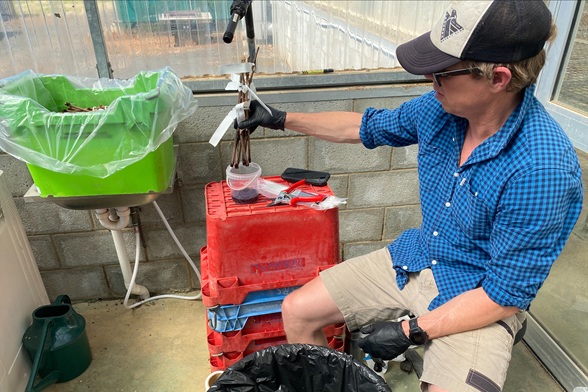
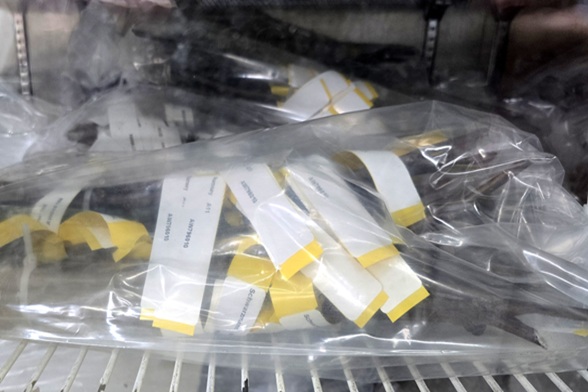
In August representatives from DPIRD, Wine Australia and WAVIA finished assessing the existing germplasm collection to identify a single vine for each cultivar to source propagation cuttings from as well as samples for virus testing. The cuttings were bundled, hydrated, treated with a biocide and stored in an onsite coolroom while samples were sent to DPIRD’s Diagnostics and Laboratory Services for virus testing.
In late October, with the virus status of the cultivars known, the cuttings were removed from cool storage, hot-water treated (50°C for 30 minutes) and placed in callusing media. The cuttings subsequently developed root callusing and were planted into pots where they will spend the next eight months prior to being relocated to UWA’s Shenton Park facility in Perth.
DPIRD research scientist (grape and wine) Richard Fennessy said throughout these processes, strict biosecurity protocols were followed under the supervision of DPIRD biosecurity officers, to ensure the eradication of the Phomopsis pathogen and to give the cuttings the best chance of survival.
He said the vines will undergo routine monitoring throughout the growing season.
”The process to date has been a great collaboration between all parties to ensure the WA wine industry continues to enjoy access to quality grapevine genetics,” Richard said.
WAVIA chair Jim Campbell-Clause also commented on the significant collaboration on the project, acknowledging the work of WAVIA committee members, especially Chris Harding, in supporting DPIRD staff and Nick Dry in preparing the vines for the move.